The best ankle braces can provide targeted support during recovery, exercise, or demanding daily activities. The right design depends on your injury, preferred stability level, fit, and comfort needs.
This roundup compares 10 ankle braces ranging from lightweight compression sleeves to structured lace-up stabilizers, helping you narrow down practical options for pain relief and ankle support.
Best 10 Ankle Braces Picks for 2026
Best Overall Stability
Med Spec ASO Lace-Up Ankle Brace

- Figure-8 straps help limit painful twists
- Bilateral design fits either ankle
- Designed for sprains, instability, and sports
Best For: Structured support during sprain recovery and athletic activity
Best Compression Sleeve

- Provides strong 20–30 mmHg compression
- Moisture-wicking fabric with anti-slip cuffs
- Designed for plantar fasciitis and Achilles support
Best For: Everyday compression, swelling support, and active wear
Best Adjustable Wrap
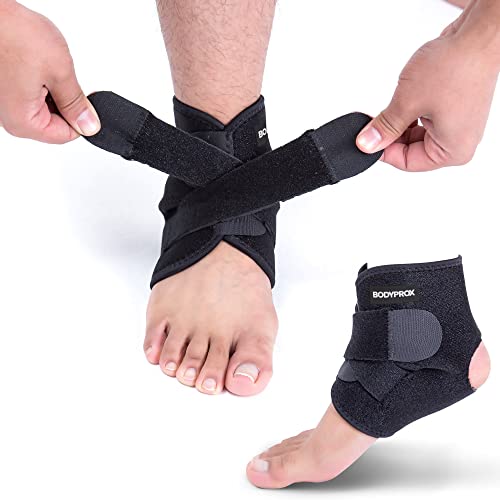
- Hook-and-loop closure adjusts compression
- Open heel supports range of motion
- One-size fit covers 7.8–11-inch arch circumference
Best For: Flexible support for sports, workouts, and daily use
Best Pair for Daily Wear

- Includes two graded-compression sleeves
- Breathable, moisture-wicking copper-infused fabric
- Available in four unisex sizes
Best For: Low-profile daily support for both ankles
Trusted Sports Stability
- Figure-8 straps help control lateral movement
- Breathable padding fits inside most shoes
- Bilateral design for left or right ankles
Best For: Sports sprains, instability, and active recovery
Everyday Adjustable Support

- Low-profile design for daily wear
- Side stabilizers limit lateral motion
- Straps adjust compression gradually
Best For: Mild to moderate pain, sprains, and tendonitis
Compression and Foot Comfort

- Sleeve plus adjustable support strap
- Targets sprains, tendonitis, and plantar fasciitis
- Breathable fabric supports active daily wear
Best For: Adjustable compression and foot-discomfort relief
Quick-Lace Stability

- Auto-shaped side pads support the ankle comfortably
- Fast hook-and-loop fastening with figure-8 stability
- Breathable, shoe-friendly design for active use
Best For: Running, court sports, hiking, and mild sprain support
Athlete-Tested Support
Reinforced Lace-Up Ankle Brace
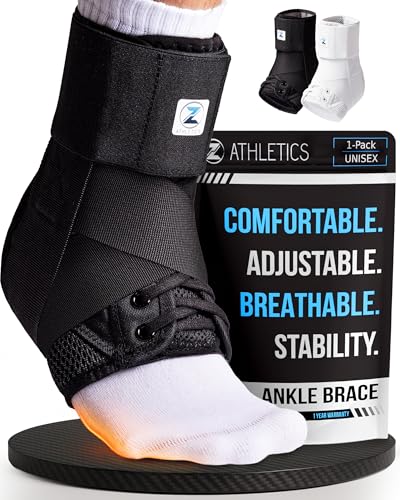
- Figure-8 lacing provides adjustable compression
- Side straps help limit ankle roll
- Slim, breathable design fits inside many shoes
Best For: Sports, work shifts, and ankle instability support
Everyday Compression Value
Copper-Infused Ankle Sleeve 2-Pack

- Includes two sleeves and two adjustable support straps
- Breathable, moisture-absorbing stretch fabric
- Flexible compression for sports and everyday activity
Best For: Daily wear, exercise, and shoppers wanting a spare brace
Best Overall Stability – Med Spec ASO Lace-Up Ankle Brace
Among ankle braces for sprains, instability, and sports injuries, the Med Spec ASO stands out for its figure-8 strap design and lace-up fit. It is built to limit painful ankle twists while remaining low-profile enough to fit inside most shoes.
Best For: Sprain recovery, chronic ankle instability, and athletes who want structured support during sports or daily activity.
Pros:
- Figure-8 straps provide adjustable stabilization and control.
- Fits left or right ankles and is available in a medium size.
- CoolFlex padding, a tongue, and nylon construction support breathable all-day wear.
- Suitable for activities including basketball, soccer, tennis, running, and volleyball.
Cons:
- The lace-up design takes more time to put on than a pull-on sleeve.
- The supplied listing describes a medium size, so fit should be checked carefully.
This is the strongest choice here when controlled movement and shoe-compatible stabilization matter more than a minimal sleeve design.
Best Compression Sleeve – Ankle Compression Brace Socks
These ankle braces use strong 20–30 mmHg compression rather than rigid supports, making them a practical option for swelling, arch discomfort, and everyday activity. The pull-on sleeve is breathable, moisture-wicking, and offered in multiple sizes.
Best For: People seeking compression for foot pain, plantar fasciitis, Achilles tendonitis, swelling, or long periods on their feet.
Pros:
- Strong 20–30 mmHg compression may help support the ankle and foot.
- Moisture-wicking nylon and spandex fabric is designed for all-day wear.
- Anti-slip cuffs help keep the sleeves in place.
- Machine washable and available in small through extra-large sizes.
Cons:
- Strong compression may feel too firm for some users.
- A sleeve offers less rigid stabilization than a lace-up ankle brace.
- Accurate arch measurement is important for fit.
Choose this pair when compression, low bulk, and easy pull-on wear are priorities; it is less suited to users needing firm control against ankle rolling.
Best Adjustable Wrap – Bodyprox Ankle Support Brace
The Bodyprox ankle support is a flexible wrap with hook-and-loop adjustment, an open heel, and one-size construction. Among ankle braces for exercise and daily use, it offers a balance of compression and freedom of movement, provided the foot’s arch circumference falls within its stated range.
Best For: Sports, workouts, plantar fasciitis comfort, and users who prefer adjustable support with an open-heel design.
Pros:
- One-size design fits arch circumferences from 7.8 to 11 inches.
- Hook-and-loop closure makes compression adjustable.
- Open heel preserves a broad range of motion during activity.
- Breathable neoprene construction is flexible, washable, and designed to retain heat.
Cons:
- Hand-wash-only care is less convenient than machine-washable options.
- One-size construction may not suit feet outside the listed range.
- It provides flexible compression rather than rigid stabilization.
This wrap is a versatile middle ground for active users who want adjustable tension and mobility instead of a bulkier lace-up brace.
Best Pair for Daily Wear – LISEPWU Copper Ankle Sleeves
The LISEPWU ankle braces are pull-on compression sleeves supplied as a pair, with graded compression and moisture-wicking copper-infused nylon. They are designed for low-profile daily support during walking, running, hiking, standing, and other activities.
Best For: Users who want two sleeves with even compression for daily movement, foot fatigue, swelling, or light activity support.
Pros:
- Two-sleeve package provides one brace for each foot.
- Graded compression applies even pressure around the ankle.
- Copper-infused nylon and spandex fabric is breathable and moisture-wicking.
- Machine washable and available in four unisex sizes.
Cons:
- Pull-on sleeves offer less adjustability than wrap or lace-up ankle braces.
- Compression fit depends on selecting the correct size; the listing advises sizing down for more compression and up for comfort.
- The sleeve design may not provide enough support for significant instability.
This pair makes sense for low-profile compression and everyday wear, especially when having matching support for both ankles is useful.
Trusted Sports Stability – ASO Ankle Stabilizer
For shoppers comparing ankle braces for sprains, instability, or sports recovery, the Med Spec ASO Ankle Stabilizer emphasizes secure lateral support without taking up excessive room in most shoes. Its lace-up closure and figure-8 straps allow a more controlled fit for active use.
Best For: Sports-related sprains, chronic ankle instability, and users seeking bilateral support for either the left or right ankle.
Pros:
- Figure-8 straps help limit painful twisting and provide stabilization.
- CoolFlex padding and a durable nylon exterior support breathable, all-day wear.
- Fits in most shoes and works for either the left or right ankle.
- Machine washable and designed for activities including basketball, soccer, tennis, and running.
Cons:
- The lace-up design may take longer to put on than a pull-on sleeve.
- The listed large size may not suit every wearer; check fit before ordering.
Choose this model when stabilization and sports versatility matter more than the simplest possible setup. Its adjustable, bilateral design also makes it useful for households managing different ankle-support needs.
Everyday Adjustable Support – BraceUP Ankle Brace
If you need ankle braces for mild to moderate discomfort, the BraceUP Ankle Brace offers a low-profile option for daily activities. Its side stabilizers and adjustable straps provide support while allowing you to control the compression level.
Best For: Everyday support for ankle sprains, foot pain, tendonitis, and users who want adjustable compression without rigid immobilization.
Pros:
- Reinforced stabilizers on both sides help limit lateral motion.
- Adjustable side straps let users increase compression gradually.
- Breathable material is designed for extended wear.
- Lightweight, low-profile construction suits a range of everyday activities.
Cons:
- Not intended for rigid immobilization or post-surgery recovery.
- One-size construction may provide a less precise fit for some users.
- Hand-wash-only care is less convenient than machine washing.
This is a practical choice for flexible, moderate support rather than a post-operative or highly restrictive brace. The adjustable straps make it easier to tailor the feel as your activity level changes.
Compression and Foot Comfort – Sleeve Stars Ankle Brace
Among ankle braces for compression-focused support, the Sleeve Stars Ankle Brace combines a pull-on sleeve with a separate adjustable strap. The design targets ankle sprains, Achilles tendonitis, plantar fasciitis, and everyday foot discomfort while preserving freedom of movement.
Best For: Users seeking adjustable compression for sprains, plantar fasciitis, heel spurs, Achilles tendonitis, or active daily wear.
Pros:
- Includes an adjustable strap for customized compression and a secure fit.
- Breathable, sweat-absorbing fabric is designed for extended comfort.
- Lightweight 2.4-ounce construction supports mobility during activities.
- Suitable for sports such as running, basketball, cycling, soccer, and volleyball.
Cons:
- The medium size requires careful measurement; product images provide the fit guidance.
- Compression support may be less suitable when rigid immobilization is needed.
- It is sold as a single brace, though it includes one separate strap.
Consider this model if you prefer sleeve-style comfort with the added adjustability of a strap. Its broad use case makes it a versatile option for recovery, work, and active sports.
Quick-Lace Stability – Slim-Fit 360° Ankle Brace
For shoppers comparing ankle braces for mild sprains, sports, or everyday support, this slim-fit model emphasizes fast adjustment and a low-profile fit. Its two auto-shaped side pads and figure-8 strap system are designed to stabilize the ankle while remaining compatible with casual and athletic shoes.
Best For: Active users who want breathable, adjustable support for running, court sports, hiking, or light ankle injuries.
Pros:
- Two anatomically contoured pads provide snug side support without pressing directly on the ankle bone.
- Hook-and-loop fastening is designed for quick, one-second adjustment and balanced 360° wrapping.
- Breathable, laser-cut air fabric and a thin profile can fit inside many shoes.
- Non-stretch figure-8 straps support ankle stability without fully restricting motion.
Cons:
- The listed medium size fits a 12–13-inch ankle, so measuring before purchase is important.
- Users with wide feet or swelling may need to size up.
This is a practical choice when quick fastening and a cool, low-bulk design matter more than rigid immobilization. Check the sizing carefully, especially if swelling or a wider foot is a concern.
Athlete-Tested Support – Reinforced Lace-Up Ankle Brace
This reinforced lace-up option is among the ankle braces suited to shoppers who want dialed-in compression and support inside sports or work footwear. Its figure-8 lacing system, side straps, and breathable air-mesh panels are designed for ankle instability, sprains, and active daily wear.
Best For: Athletes, workers, and active users seeking adjustable stabilization that fits inside basketball shoes, volleyball shoes, boots, or sneakers.
Pros:
- Figure-8 lacing lets users adjust compression, while side straps help limit ankle roll.
- Slim 0.5-inch profile is designed to fit inside a range of athletic and work shoes.
- Air-mesh panels and moisture-wicking features support all-day comfort.
- Fits either ankle and is hand washable for straightforward care.
Cons:
- Lace-up adjustment may take longer than a simple pull-on sleeve.
- The listed product is a medium-size brace, so shoppers should consult the fit guide.
Choose this model if secure, customizable support is a priority during sports, work shifts, or daily walks. It offers more structure than a basic compression sleeve while retaining a relatively slim shoe-friendly design.
Everyday Compression Value – Copper-Infused Ankle Sleeve 2-Pack
For shoppers seeking ankle braces for everyday compression, this two-pack combines a copper-infused nylon sleeve with separate adjustable support straps. The lightweight, elastic design is intended to fit with shoes and socks while supporting activities such as walking, running, hiking, cycling, and court sports.
Best For: People who want flexible daily compression, a spare brace, and customizable support for exercise or routine activity.
Pros:
- Two sleeves and two adjustable straps provide a useful backup or pair for both ankles.
- Stretchy copper-infused nylon is designed to be breathable, moisture-absorbing, and deodorizing.
- Adjustable straps allow users to customize compression without restricting motion.
- Lightweight 3D-knit construction is designed for support during a wide range of activities.
Cons:
- A compression sleeve with straps may provide less rigid stabilization than a structured lace-up brace.
- Exact sizing still matters; the product recommends using its size chart.
This 2-pack makes sense for flexible, lower-profile support and convenient rotation between wear and washing. Consider a more structured brace if your priority is stronger motion control after a significant injury.
How We Picked These Ankle Braces
We focused on the features that most affect real-world ankle support: construction, adjustability, compression, breathability, ease of use, and intended activity. The selection includes lace-up braces for stronger stabilization, wrap-style designs for customizable tension, and sleeves for low-profile compression.
We also considered whether each design appears suitable for sports, everyday wear, sprain recovery, or general support. Because sizing and injury needs vary, use the manufacturer’s measurements and consult a medical professional for significant pain, swelling, instability, or suspected fractures.
Quick Comparison
| Brace Type | Best For | Main Advantage |
|---|---|---|
| Lace-up stabilizer | Sports and sprain support | Firm, adjustable stability |
| Adjustable wrap | Flexible everyday support | Easy tension adjustment |
| Compression sleeve | Light support and activity | Low-profile comfort |
| Copper-infused sleeve | Compression-focused wear | Soft, discreet design |
| Padded or reinforced brace | Higher-support recovery | Added structure and protection |
Key Buying Factors for Ankle Braces
Support Level
Compression sleeves offer the least restriction and are often comfortable for mild soreness or routine activity. Lace-up and reinforced Ankle Braces provide more control against unwanted movement and may be preferable after a sprain or during higher-impact activities.
Fit and Sizing
A brace should feel secure without causing numbness, tingling, discoloration, or excessive pressure. Measure as directed, check whether the product is sold individually or as a pair, and confirm left-right compatibility before ordering. If you plan to wear it inside a shoe, account for the brace’s thickness.
Materials and Breathability
Moisture-wicking or air-permeable fabric can improve comfort during workouts and extended wear. Thicker padding may provide more protection but can increase heat and bulk. Look for reinforced stitching and durable closures if you expect frequent use.
Adjustability and Use
Lace systems and hook-and-loop straps allow you to fine-tune pressure as swelling changes. A sleeve is quicker to put on, while a structured brace may take longer to adjust but offer more dependable stabilization.
Who Should Buy Which Ankle Braces?
Choose a lace-up or reinforced brace if you need firmer support for sports, recurring ankle instability, or recovery from a sprain. These options generally provide better control than simple sleeves.
Choose an adjustable wrap if you want customizable compression and easy removal throughout the day. This style can be useful when comfort and flexibility matter as much as support.
Choose a compression sleeve for mild support, low-profile wear, or use inside athletic shoes. Sleeves are typically the easiest option for walking, travel, and light activity, but they may not provide enough stability for a serious injury.
Stop using any brace that worsens symptoms, and seek professional advice for severe swelling, deformity, inability to bear weight, or pain that does not improve.