Running on concrete can make every stride feel harsher, especially when your shoes lack cushioning, support, or a comfortable fit. The right pair should help absorb repeated impact while staying stable and breathable for daily training.
We compared 10 popular road-running shoes across cushioning, stability, durability, fit, and value to help you choose a more comfortable option for sidewalks, streets, and other hard urban surfaces.
Best 10 Running Shoes for Concrete Picks for 2026
Road Comfort Pick

- Road-running design
- Simple everyday option
- Nike running-shoe model
Best For: Pavement-focused everyday running
Stability Road Pick

- Maximum cushioning for roads
- 3D Guidance stability system
- Designed for overpronation correction
Best For: Supportive concrete and treadmill running
Supportive Comfort Pick

- GuideRails support system
- Soft DNA LOFT v3 cushioning
- Road and treadmill suitable
Best For: Supported, cushioned running and walking on pavement
Lightweight Responsive Training
Under Armour Men's Charged Assert 10

- Responsive Charged Cushioning foam
- Breathable mesh with supportive overlays
- Durable high-impact rubber coverage
Best For: Neutral road runners wanting a lightweight everyday trainer
Comfort-Cushion Road Pick

- Rearfoot GEL shock absorption
- Soft AMPLIFOAM PLUS cushioning
- Breathable mesh with OrthoLite sockliner
Best For: Everyday road running and walking
Versatile Daily Trainer

- Charged+ cushioning for daily comfort
- Durable rubber outsole with flex grooves
- Road and treadmill surface recommendation
Best For: Neutral runners seeking a flexible daily trainer
Premium Maximum Cushion
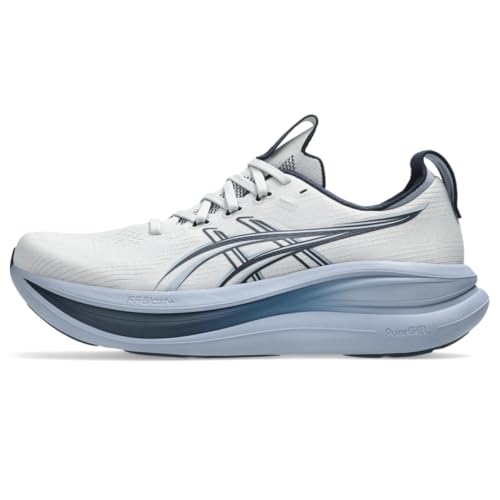
- PureGEL and FF BLAST PLUS cushioning
- Durable HYBRID ASICSGRIP outsole
- Reflective details for low-light visibility
Best For: Underpronating runners wanting plush road cushioning
Road Comfort Pick – Nike Revolution 8
Nike Men's Revolution 8 Road Running Shoes, Off White/White-Wolf Grey-Topaz Gold, 11
Check Price On AmazonThe Nike Revolution 8 is a straightforward option to consider when shopping for running shoes for concrete. Its road-running design makes it a practical fit for everyday pavement miles, though the supplied product information does not specify cushioning, stability, or fit technologies.
Best For: Runners seeking a basic Nike road-running shoe for everyday use.
Pros:
- Designed for road running.
- Recognizable Nike running-shoe model.
- Simple option for pavement-focused training.
Cons:
- Supplied details do not identify cushioning or support features.
- No information provided about water resistance, fit, or weight.
The Revolution 8 may suit shoppers who want a road-focused Nike shoe without prioritizing a specific support system. Compare its fit and cushioning with the more feature-detailed alternatives before choosing it for frequent concrete running.
Maximum Cushioning Pick – Skechers Max Cushioning Endeavour
The Skechers Max Cushioning Endeavour Exciton is explicitly rated for concrete and emphasizes maximum cushioning, making it a strong candidate among running shoes for concrete. Its Air-Cooled Goga Mat insole, lightweight EVA cushioning, and rocker design target comfort during running, walking, and extended wear.
Best For: Runners and walkers who want maximum cushioning, easy slip-in access, and a neutral design for concrete.
Pros:
- Concrete surface recommendation with maximum cushioning.
- Air-Cooled Goga Mat insole and lightweight EVA midsole.
- Hands-free slip-in design with Heel Pillow security.
- Breathable monomesh upper and natural rocker transition.
Cons:
- Not water resistant.
- Medium width may not suit every foot shape.
- Maximum cushioning and a 2-inch platform may feel substantial to some runners.
This is the most directly specified choice for concrete among the listed products. It is especially appealing if impact comfort and convenient everyday wear matter more than a structured overpronation-control system.
Stability Road Pick – ASICS GT-2000 13
The ASICS GT-2000 13 combines maximum cushioning with overpronation correction, making it a useful option for runners seeking supportive running shoes for concrete. Its 3D Guidance System, rearfoot PureGEL technology, and FF BLAST PLUS cushioning are designed for stability, softer landings, and responsive rebound on roads or treadmills.
Best For: Overpronating runners who want a cushioned, supportive shoe for road and treadmill running.
Pros:
- Maximum cushioning with an 8-millimeter heel drop.
- 3D Guidance System provides advanced stability.
- Rearfoot PureGEL supports softer landings.
- Jacquard mesh upper offers a supportive foothold and includes recycled content.
Cons:
- Designed for overpronation correction, so it may not suit neutral runners seeking an unrestricted feel.
- Not water resistant.
- Listed for road and treadmill use rather than varied terrain.
The GT-2000 13 is a strong pavement choice when stability is a priority. Its structured guidance makes it more targeted than a neutral shoe, while the cushioning technologies address repeated road impact.
Supportive Comfort Pick – Brooks Adrenaline GTS 25
The Brooks Adrenaline GTS 25 is built for runners and walkers who want supportive running shoes for concrete. Its GuideRails system helps keep excess movement in check, while nitrogen-infused DNA LOFT v3 cushioning and a smooth-transitioning outsole aim to provide comfortable road miles.
Best For: Runners and walkers seeking maximum cushioning, overpronation support, and a secure everyday fit.
Pros:
- GuideRails holistic support helps control excess movement.
- Soft, lightweight DNA LOFT v3 cushioning.
- Road and treadmill surface recommendation.
- Breathable mesh upper and flat-knit collar provide a secure fit.
Cons:
- Overpronation correction may not be ideal for neutral runners.
- Not water resistant.
- Support-focused construction may feel less minimal than a neutral road shoe.
The Adrenaline GTS 25 is a sensible concrete-running option for shoppers who value reliable support and soft cushioning. It also carries diabetic-friendly certifications noted in the supplied details, adding to its appeal for eligible wearers.
Soft Neutral Cushioning – ASICS Women's VERSABLAST 4
For runners seeking running shoes for concrete, the ASICS Women’s VERSABLAST 4 offers moderate-to-high cushioning and a neutral setup suited to road and treadmill use. Its breathable repeat mesh upper and AMPLIFOAM PLUS cushioning are designed for comfortable everyday training and other athletic activities.
Best For: Neutral runners and active users who want soft cushioning for road, treadmill, and general workouts.
Pros:
- AMPLIFOAM PLUS cushioning provides soft cushioning with responsive rebound.
- Repeat mesh upper helps promote breathability.
- Road and treadmill surface recommendation supports versatile training.
- Moderate-to-high cushioning suits comfort-focused use.
Cons:
- Not water resistant.
- Neutral pronation design may not suit runners seeking correction.
The VERSABLAST 4 is a practical choice when comfort and cushioning are priorities. Its neutral road-oriented design makes it a straightforward option for everyday running, walking, and athletic use.
Versatile Road Ride – Brooks Men's Revel 8
The Brooks Men’s Revel 8 is a versatile option among running shoes for concrete, with adaptable DNA Loft v2 cushioning and a lightweight RoadTack rubber outsole. It is built for runners or walkers who want a smooth, distraction-free ride for workouts, road running, and casual wear.
Best For: Runners and walkers seeking moderate cushioning, breathable comfort, and a shoe that transitions from workouts to everyday outings.
Pros:
- DNA Loft v2 cushioning adapts to stride, weight, and speed.
- Engineered mesh upper provides breathability and structure.
- RoadTack outsole is designed for lightweight durability and rebound.
- Road and treadmill surface recommendation supports flexible use.
Cons:
- Not water resistant.
- Moderate cushioning may be less suitable for those wanting maximum cushioning.
The Revel 8 balances workout functionality with a casual look. Its neutral construction and moderate cushioning make it a sensible everyday road option for runners and walkers who value versatility.
Lightweight Responsive Training – Under Armour Men's Charged Assert 10
For road-focused running shoes for concrete, the Under Armour Men’s Charged Assert 10 combines a lightweight mesh upper with Charged Cushioning foam and a durable rubber outsole. Its neutral construction, 10 mm heel drop, and moderate cushioning suit everyday running and sports use.
Best For: Neutral runners who want breathable, lightweight road shoes with responsive cushioning and reinforced high-impact coverage.
Pros:
- Charged Cushioning midsole is designed for responsiveness and durability.
- Breathable mesh upper includes synthetic overlays for support.
- Solid rubber outsole covers high-impact zones while limiting weight.
- Lightweight design and 10 mm offset support everyday road running.
Cons:
- Surface recommendation is limited to road use.
- Not water resistant.
- Moderate cushioning may not meet the needs of runners seeking maximum cushioning.
The Charged Assert 10 is a straightforward road trainer focused on lightness, durability, and responsive cushioning. It is a strong fit for neutral runners who want a breathable shoe for regular workouts.
Comfort-Cushion Road Pick – Gel-Contend 10
The ASICS Gel-Contend 10 is a practical option for runners seeking running shoes for concrete with substantial cushioning. Rearfoot GEL technology, AMPLIFOAM PLUS cushioning, and an OrthoLite sockliner support a softer, more comfortable feel for everyday athletic use.
Best For: Everyday road running and walking when cushioning and breathability are priorities.
Pros:
- Rearfoot GEL technology helps with shock absorption.
- AMPLIFOAM PLUS provides softer midsole cushioning.
- Engineered mesh upper promotes breathability.
- OrthoLite sockliner adds cushioning and moisture management.
Cons:
- Not water resistant.
- Listed as a maximum-cushioning shoe without a specified surface recommendation.
Choose this model if you want a breathable, cushioned ASICS trainer for regular pavement use without extra specialized features.
Versatile Daily Trainer – Charged+ Assert 11
The Under Armour Charged+ Assert 11 offers a balanced choice for running shoes for concrete, with moderate cushioning and a durable rubber outsole. Its athletic mesh upper, leather overlays, and strategically placed flex grooves are designed for flexible, everyday road or treadmill use.
Best For: Neutral runners who want a flexible daily shoe for roads, concrete paths, or treadmills.
Pros:
- Charged+ midsole cushioning supports all-day comfort.
- Durable rubber outsole includes flex grooves for toe-off.
- Mesh upper with leather overlays provides breathability and midfoot support.
- Recommended for road and treadmill surfaces.
Cons:
- Moderate cushioning may feel less plush than maximum-cushioning options.
- Not water resistant.
This is a sensible pick for neutral runners who value a supportive upper, road-ready traction, and a more flexible feel over maximum cushioning.
Premium Maximum Cushion – Gel-Nimbus 28
The ASICS Gel-Nimbus 28 is built for runners who want maximum cushioning in running shoes for concrete. PureGEL, FF BLAST PLUS foam, and an OrthoLite X-55 sockliner combine with a durable HYBRID ASICSGRIP outsole for cushioned road and treadmill miles.
Best For: Underpronating runners seeking plush cushioning and grip for road or treadmill running.
Pros:
- PureGEL is designed to be approximately 65% softer than standard GEL technology.
- FF BLAST PLUS provides cloud-like cushioning with a responsive ride.
- HYBRID ASICSGRIP supports grip and outsole durability.
- Reflective details improve visibility in low-light conditions.
Cons:
- Listed weight is 2.2 pounds, making it the heaviest option here by supplied specifications.
- Not water resistant.
- Underpronation focus may not suit runners seeking pronation correction.
For pavement runners prioritizing softness and impact comfort, the Gel-Nimbus 28 is the most feature-rich and heavily cushioned choice in this lineup.
How We Picked the Best Running Shoes for Concrete
We focused on road-running models suited to repeated use on pavement and sidewalks. Our evaluation criteria included underfoot cushioning, shock absorption, heel and forefoot comfort, outsole durability, stability, breathability, fit options, and overall value. We also included different ride styles, from lightweight everyday trainers to highly cushioned shoes and supportive stability models.
Because runners differ in gait, mileage, body weight, and preferred feel, no single shoe is ideal for everyone. The best choice balances protection from hard surfaces with a fit and ride you can comfortably use for your typical runs.
Quick Comparison
| Best For | What to Look For |
|---|---|
| Daily sidewalk running | Balanced cushioning, secure fit, and durable rubber |
| Maximum comfort | Thicker midsole and soft impact protection |
| Overpronation support | Structured stability features and a steady platform |
| Short runs and walking | Lightweight construction and flexible cushioning |
| Budget-conscious buyers | Reliable foam, durable outsole, and versatile design |
Key Buying Factors for Running Shoes for Concrete
Cushioning and Impact Protection
Concrete is unforgiving, so look for enough midsole cushioning to reduce the harshness of each landing. Softer cushioning can feel comfortable, while firmer foam may provide a more responsive, stable ride. Choose based on personal preference rather than assuming the thickest shoe is automatically best.
Stability and Support
If your feet roll inward significantly or you need extra guidance when fatigued, a stability shoe may feel more secure. Neutral shoes can work well for runners with a comfortable, efficient stride. A broad platform and stable heel can also improve confidence on uneven sidewalks.
Fit, Breathability, and Durability
Your toes should have room to spread without your heel slipping. Leave roughly a thumb’s width between your longest toe and the front of the shoe, and consider a wider option if your forefoot feels compressed. Breathable uppers help during warm-weather runs, while reinforced rubber in high-wear areas matters for frequent pavement use.
Weight and Intended Mileage
Lightweight shoes may feel quicker for short runs, but heavier, more cushioned designs can be preferable for long walks, commuting, or high-mileage training. Match the shoe’s construction to how often and how far you expect to use it.
Who Should Buy Which Running Shoes for Concrete?
Choose a highly cushioned model if comfort and impact protection are your top priorities. Select a stability-focused option if you want additional guidance or a steadier platform. Lightweight neutral trainers suit runners who prefer flexibility and a less noticeable shoe, while versatile budget models are practical for beginners, walking, and mixed daily use.
Before buying, check the current size availability, return policy, and user feedback about fit. If you experience persistent pain, unusual wear patterns, or recurring injuries, consult a qualified running specialist or healthcare professional rather than relying on footwear alone.