A commercial glute ham developer can anchor a lower-body training zone, support posterior-chain work, and hold up to frequent use in demanding gyms.
Below, we focus on the best 2026 options for durability, adjustability, user comfort, and practical features that matter to commercial facilities and serious home setups.
Best 10 Commercial Glute Ham Developer Picks for 2026
Commercial-Grade GHD
Titan Adjustable Glute and Ham Developer

- 10-position adjustment for better fit
- Padded rollers and vinyl cushioning
- 350 lb capacity with wide steel base
Best For: Versatile posterior-chain and ab training
Heavy-Duty Roman Chair
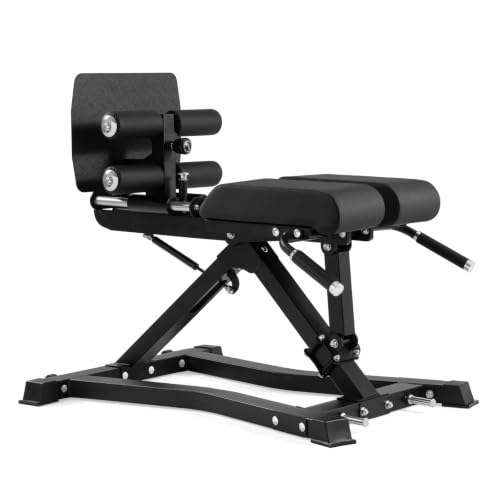
- 661 lb capacity with steel tubing
- 12 adjustment levels for different users
- Compact frame with transport wheels
Best For: Space-saving back and glute training
Plate-Loaded Glute Builder

- 800 lb capacity with 14-gauge steel
- Three-position adjustable footboard
- Safety handles and dual pivot bearings
Best For: Heavy hip thrust and glute bridge training
Floor-Mounted GHD
Titan Adjustable Floor Glute Hamstring Developer

- Lower center of gravity for stability
- 4 ankle and 10 leg adjustment settings
- Wheels and grips for easier storage
Best For: Portable GHD training with a smaller footprint
Plate-Loaded Power Glute Trainer
HT01 Hip Thrust Machine for Heavy Glute Work

- Purpose-built for hip thrusts
- Built-in band pegs add resistance
- 800-lb capacity with large footplate
Best For: Lifters focused on heavy glute drives and fast setup
Rack-Mounted Posterior Chain Option
Adjustable GHD Attachment for 3x3 Cages

- Fits 3x3 power cages
- 14 adjustment settings for positioning
- Band pegs and thick padding included
Best For: Users with a compatible rack who want a compact GHD attachment
Commercial Roman Chair Classic
Body-Solid Back Hyperextension Machine
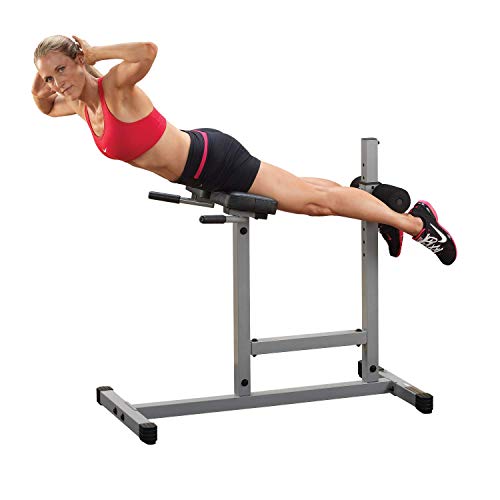
- Supports extensions, crunches, and Roman chair work
- Heavy-gauge steel frame for stability
- Thick pads and foam rollers for comfort
Best For: Buyers wanting a durable Roman chair for core and lower-back training
Compact Glute-Training Glider
Bells of Steel Home Gym Multi-Function Ab Glute Machine
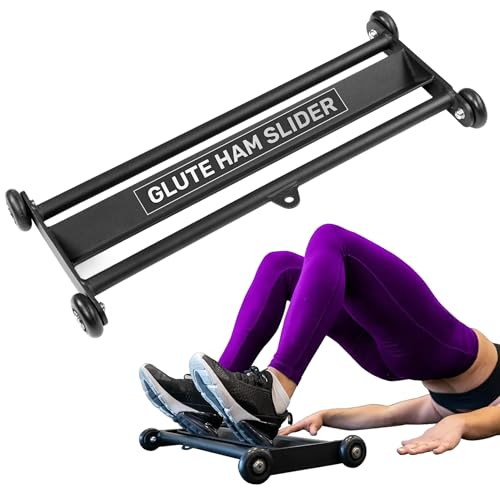
- Solid steel build for lasting durability
- Smooth wheels support heel or toe placement
- Includes built-in hook for band or cable resistance
Best For: Compact home gyms needing a versatile glute and hamstring glider
Adjustable Posterior-Chain GHD
Valor Fitness Glute Ham Developer Machine
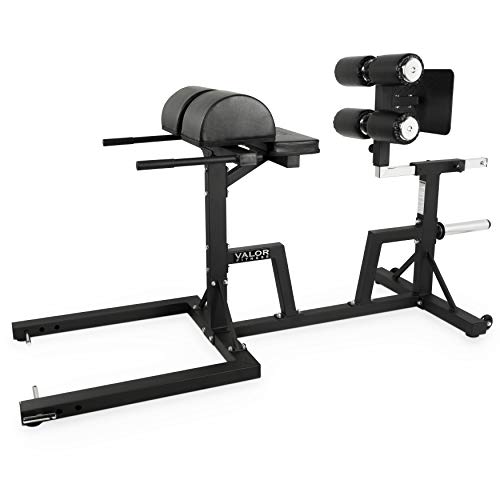
- Full GHD setup for posterior-chain exercises
- Six horizontal and four vertical adjustment positions
- 12-gauge steel frame with plate storage and band pegs
Best For: Athletes needing a full-size adjustable GHD for core and posterior-chain work
Heavy-Duty Commercial Glider
SELEWARE Home and Gym Glute Ham Glider

- Fully welded steel frame with powder-coated finish
- 600-pound capacity for intense workouts
- Four rubber wheels provide smooth rolling
Best For: Compact commercial or home gyms needing a high-capacity glute and hamstring glider
Commercial-Grade GHD – Titan Adjustable Glute and Ham Developer
If you want a commercial glute ham developer that can handle posterior-chain work and core training in one footprint, this Titan Fitness GHD is built for that job. It offers 10 adjustment settings, thick padding, secure ankle rollers, and a wide steel base for stable training sessions.
Best For: Athletes and gym owners who want a versatile GHD for glutes, hamstrings, lower back, and ab work.
Pros:
- 10 adjustment settings help fit different athletes quickly.
- HeftyGrip vinyl padding and padded ankle rollers add comfort and stability.
- Powder-coated steel frame and 350 lb capacity support demanding use.
- Works for glute/ham training and high-range sit-ups.
Cons:
- Heavier build at 190 pounds may be less convenient to move often.
- Lower weight capacity than some heavy-duty competitors.
Overall, this is a practical commercial glute ham developer for buyers who value adjustability, comfort, and a stable platform. Its added ab-training function makes it a solid all-around conditioning piece for a training facility or serious home gym.
Heavy-Duty Roman Chair – RitFit Back Extension Machine
For shoppers comparing a commercial glute ham developer alternative, this RitFit back extension machine leans into heavy-duty support and compact size. The commercial-grade steel frame, 12-level adjustability, and ergonomic split pad make it a practical choice for back extensions, hyperextensions, and glute ham-style training.
Best For: Home gym users who want a stable Roman chair with strong capacity and a smaller footprint.
Pros:
- 2 x 3 inch steel tubing and 661 lb capacity provide strong support.
- 12 adjustment levels help accommodate users from 4’7″ to 6’3″.
- Ergonomic split pad is designed to reduce lower back pressure.
- Compact footprint and transport wheels help with storage.
Cons:
- More specialized for back extension work than a full GHD station.
- Best suited to home and garage gym layouts rather than larger multi-user setups.
In practical terms, this is a strong option if you want a durable hyperextension bench with broad adjustability and easy storage. It gives you the feel of a heavy-duty Roman chair without taking up the space of a full-size glute ham developer.
Plate-Loaded Glute Builder – GMWD Hip Thrust Machine
If your priority is glute-focused strength work, this commercial glute ham developer alternative centers on the hip thrust movement. The GMWD hip thrust machine uses a plate-loaded design, adjustable footboard positions, and safety handles to support heavy bridge work in a home or commercial setting.
Best For: Lifters who want a dedicated hip thrust machine for heavy glute bridge training.
Pros:
- Built to isolate the glutes through a hip bridge motion.
- 800 lb weight capacity and 14-gauge steel construction.
- Three-position adjustable pedal helps tailor setup to the user.
- Safety handles and dual pivot bearings support controlled reps.
Cons:
- Dedicated to hip thrusts rather than offering full GHD versatility.
- Large footprint may be a consideration at 71 inches wide.
This is a focused strength machine for buyers who want to load glutes hard and keep the movement pattern consistent. If your goal is heavy hip thrusts with built-in stability and simple setup, it stands out as a purpose-built option.
Floor-Mounted GHD – Titan Adjustable Floor Glute Hamstring Developer
This Titan floor GHD is a solid commercial glute ham developer choice if you want a lower-profile machine with easy storage. It targets the lower back, glutes, hamstrings, calves, and core, while the floor-based design gives it a lower center of gravity for added stability during hard training.
Best For: Athletes who want a portable, stable floor GHD for lower-body and core work.
Pros:
- Floor design lowers the center of gravity for more stability.
- Four ankle settings and ten leg settings improve fit.
- Wheels and hand grips make it easier to move and store upright.
- Targets multiple movements including hyperextensions, knee curls, and ham raises.
Cons:
- 260 lb maximum weight recommendation is lower than some alternatives.
- More compact build may not suit everyone who wants a larger commercial station.
For users who want GHD functionality without the bulk of a standing unit, this floor model makes a strong case. It is especially appealing if stability and easier storage matter as much as exercise variety.
Plate-Loaded Power Glute Trainer – HT01 Hip Thrust Machine for Heavy Glute Work
If you want a commercial glute ham developer alternative that’s built specifically for hip thrusts, the GOIMU HT01 is designed to replace makeshift barbell-and-bench setups. It uses a plate-loaded design, includes band pegs for variable resistance, and offers a large footplate and adjustable positioning to support serious glute training.
Best For: Lifters who want a purpose-built hip thrust machine for heavy glute work, power development, and fast setup.
Pros:
- Purpose-built for hip thrusts, so there’s no need to improvise with a barbell and bench.
- Built-in band pegs allow added variable resistance for more top-end tension.
- Large diamond-plated footplate and four adjustment levels help dial in stance and positioning.
- Includes half-round back pads, a thick hip pad, and a dual safety limiter system for comfort and control.
Cons:
- It’s a dedicated hip thrust machine, so it’s less versatile than a full GHD-style unit.
- Requires plate loading and a fairly large footprint.
- Best suited to users focused on glute drive work rather than mixed core and back movements.
This is a strong pick if your priority is a no-fuss lower-body machine built around glute bridge and hip thrust training. The 800-lb rating, band compatibility, and comfort-focused padding make it a practical option for serious home or garage gym use.
Rack-Mounted Posterior Chain Option – Adjustable GHD Attachment for 3×3 Cages
This commercial glute ham developer attachment is built for 3″x3″ power cages and gives you a compact way to train the posterior chain at home. With 14 adjustment settings, band pegs, and heavy-duty steel construction, it’s aimed at users who want back extensions, hip extensions, and other rack-based movement options without taking up much floor space.
Best For: Home gym owners with a compatible 3″x3″ rack who want a versatile, space-conscious GHD attachment.
Pros:
- Designed for 3″x3″ power cages, making it a good fit for compatible rack setups.
- 14 adjustment settings help different users find the right position.
- Supports back extensions, hip extensions, Russian twists, sit-ups, and more.
- Heavy-duty steel frame, band pegs, and thick padding add stability and comfort.
Cons:
- Only works with compatible 3″x3″ power cages.
- As an attachment, it depends on the rack for its overall footprint and use.
- It’s more specialized than a standalone Roman chair or bench.
If you already have the right rack, this is a practical way to add GHD-style training without buying a full standalone unit. The adjustability and padding make it easier to share among multiple users while still keeping the setup focused on posterior chain work.
Commercial Roman Chair Classic – Body-Solid Back Hyperextension Machine
For buyers comparing a commercial glute ham developer with a more traditional back extension setup, the Body-Solid Roman Chair is a versatile option for core, glutes, hamstrings, and lower back work. It’s built from heavy-gauge steel, uses thick DuraFirm pads and foam rollers, and offers vertical and horizontal pop-pin adjustments for a more user-friendly fit.
Best For: Users who want a durable Roman chair for back extensions, ab work, and general posterior-chain training.
Pros:
- Supports back extensions, reverse hyperextensions, ab crunches, and Roman chair exercises.
- Vertical and horizontal adjustments make it easier to fit different users.
- Thick 3¾” DuraFirm pads and oversize foam rollers improve comfort and stability.
- Commercial 2″x3″ steel construction and a 10-year frame warranty add confidence.
Cons:
- Rated for 120 kg, which is lower than some heavier-duty GHD options.
- It’s more of a Roman chair than a full-featured glute ham developer.
- May be overbuilt for users who only need occasional back extension work.
This is a strong all-around choice if you want one machine for core and lower-back training with enough durability for home or commercial use. It won’t replace every GHD function, but it delivers a stable and comfortable platform for the exercises it does support.
Compact Glute-Training Glider – Bells of Steel Home Gym Multi-Function Ab Glute Machine
If you want a commercial glute ham developer alternative that takes up far less space, this Bells of Steel glute ham glider is built for hamstring curls, glute work, ab training, and more. Its solid-steel frame, smooth-gliding wheels, and built-in handles make it a practical pick for home gyms that still want heavy-duty construction.
Best For: Lifters who want a compact, ready-to-use glute and hamstring trainer for mixed accessory work.
Pros:
- Solid steel construction for durability
- Smooth wheels support heel or toe placement for seamless reps
- Works for glutes, hamstrings, abs, and upper-body pushing drills
- Built-in hook allows band or cable resistance
Cons:
- Not a full-size GHD machine
- Best suited to glider-style movements rather than traditional GHD exercises
- Lower maximum capacity than heavier commercial-style units
For buyers who care more about versatility and footprint than a large traditional setup, this is an efficient way to add posterior-chain and core work to a garage gym.
Adjustable Posterior-Chain GHD – Valor Fitness Glute Ham Developer Machine
This Valor Fitness commercial glute ham developer-style machine is aimed at serious posterior-chain training, with the size and features you’d expect from a full GHD setup. It supports glute ham raises, back extensions, hip extensions, reverse hypers, and GHD sit-ups, while the adjustable frame and padded supports help dial in positioning for different athletes.
Best For: Home or athletic training spaces that want a full-size, adjustable GHD machine with storage and band work options.
Pros:
- Supports glute ham raises, back extensions, reverse hypers, and sit-ups
- Six horizontal and four vertical settings for fit adjustments
- 12-gauge steel frame with 400 lb capacity
- Includes plate storage, band pegs, and transport wheels
Cons:
- Large footprint at 82 inches deep
- Heavy at 122 pounds
- Less portable than smaller glider-style options
If you need a more traditional GHD platform rather than a compact accessory tool, this machine offers the structure and adjustability to handle focused lower-back, glute, and hamstring training.
Heavy-Duty Commercial Glider – SELEWARE Home and Gym Glute Ham Glider
For shoppers comparing a commercial glute ham developer option with a smaller footprint, this SELEWARE glute ham glider stands out for its 600-pound capacity and thickened steel build. It’s designed for hamstring curls, glute bridges, split squats, ab work, and other multi-muscle movements, making it a flexible tool for home or commercial gyms.
Best For: Gyms and home setups that want a compact, heavy-duty glider for high-capacity lower-body and core training.
Pros:
- Thickened, fully welded steel frame with powder-coated finish
- 600 lb weight rating for intense training
- Four upgraded rubber wheels for smooth rolling
- No assembly required and compact enough for multiple training spaces
Cons:
- Glider design is different from a full-size GHD machine
- May be less targeted for classic glute ham raise programming
- Compact format can limit exercise setup compared with larger machines
If you want a durable glider that can handle demanding sessions without taking over your floor space, this model delivers strong load capacity and broad exercise utility.
How We Picked the Best Commercial Glute Ham Developer Options
We prioritized build quality, frame stability, pad comfort, adjustment range, footprint, and useful extras such as band pegs, wheels, and plate storage. For a Commercial Glute Ham Developer, the goal is simple: safe, repeatable performance under regular use without constant fiddling or maintenance headaches.
We also weighed how versatile each design is for glute bridges, back extensions, hamstring curls, and core work. The best units offer enough adjustability for multiple user heights while staying rigid and easy to move or position.
Quick Comparison: What to Expect
Traditional GHD machines are best when you want heavy-duty posterior-chain training, especially for extensions and hamstring-focused work. Hip thrust machines are better when your priority is glute bridge loading and easier setup. Glute ham gliders and multi-function benches tend to be more compact and versatile, but they may not feel as locked-in as a full commercial GHD.
Key Buying Factors for a Commercial Glute Ham Developer
Frame Strength and Stability
Look for thick steel construction, wide bases, and solid welds. In a commercial environment, wobble-free support matters as much as raw weight capacity.
Adjustability and Fit
A good Commercial Glute Ham Developer should accommodate different torso lengths and training styles. Check pad height, footplate position, and whether the machine is easy to reconfigure between users.
Comfort and Usability
Dense padding, smooth upholstery, and well-placed rollers can make a big difference during high-volume training. If athletes will use the machine often, comfort directly affects compliance and quality of movement.
Footprint and Mobility
Measure your available floor space before buying. Wheels, handles, and plate storage can improve day-to-day handling, especially in multi-user gyms where equipment gets moved frequently.
Training Versatility
If you want more than one movement pattern, consider options that support back extensions, hip extensions, abdominal work, band-resisted drills, or glute drive setups. Versatility can justify a larger footprint.
Who Should Buy Which Commercial Glute Ham Developer?
Choose a full-size Commercial Glute Ham Developer if you want the most stable platform for posterior-chain development and expect regular use. Pick a hip thrust machine if glute loading is your top priority and you want simpler setup and heavier direct bridging work. Choose a glute ham glider or compact multi-function unit if space is limited and you need broader exercise variety in one machine. For mixed-use facilities, the best choice is usually the model that balances durability, user adjustability, and easy transitions between athletes.
In short, buy for the training goal first, then confirm the machine fits your space, user base, and maintenance expectations.